
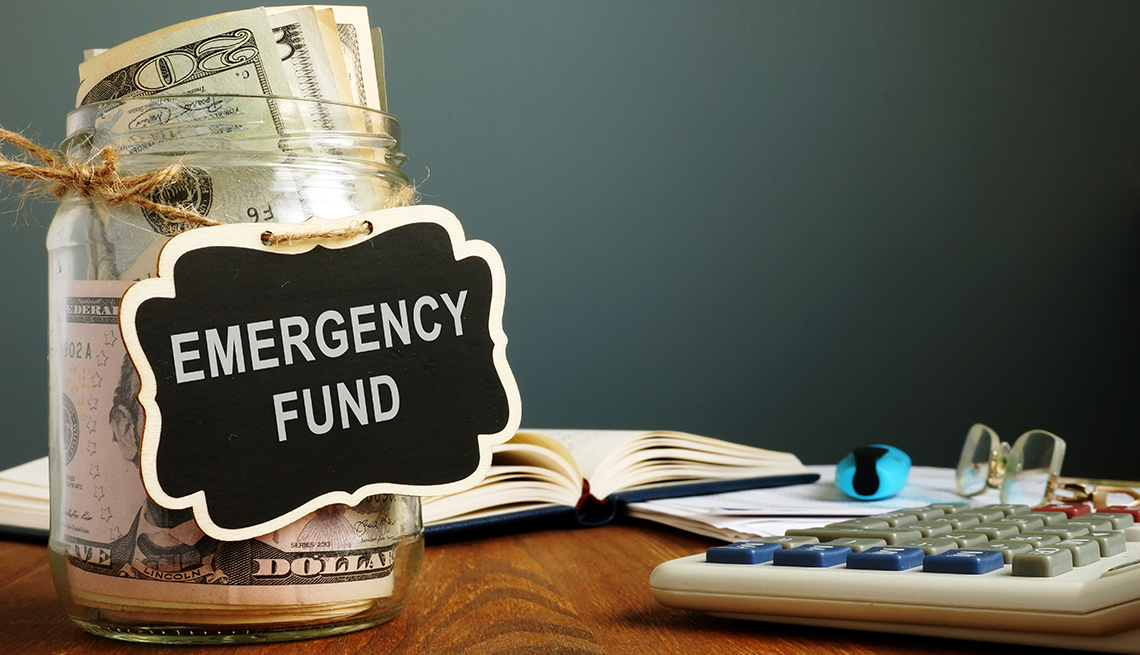
An emergency fund is one of the least exciting topics in personal finance—and one of the most important. It doesn’t promise high returns, impressive charts, or quick wins. Yet for many people, the absence of an emergency fund is the single factor that turns small financial shocks into long-term problems.
In a world of economic uncertainty, rising living costs, and increasingly unpredictable careers, understanding what an emergency fund is, why it matters, and how to build one is a foundational step toward financial stability.
What Is an Emergency Fund?
An emergency fund is money set aside specifically to cover unexpected expenses. These can include medical bills, car repairs, urgent home maintenance, or temporary income loss. The key characteristic is that these expenses are unplanned but unavoidable.
Unlike savings for holidays or long-term investments, an emergency fund exists to protect you from financial disruption. It’s not meant to grow aggressively or generate income—it’s meant to be available when you need it most.
Most financial experts recommend keeping this fund in a safe, liquid account, where the focus is accessibility rather than return.
Why an Emergency Fund Is More Important Than You Think
Many people underestimate how frequently financial emergencies occur. According to recent European consumer data, over 50% of households face at least one significant unexpected expense each year. Without a financial buffer, these costs often end up on credit cards or personal loans.
This is where the real danger lies. High-interest debt can quickly turn a short-term problem into a long-term burden. For example, covering a €2,000 emergency with a credit card at 18% interest can add hundreds of euros in additional costs if repayment is delayed.
An emergency fund breaks this cycle. It allows you to handle life’s surprises without sacrificing your financial progress or peace of mind.
How Much Should You Save?
The ideal size of an emergency fund depends on your lifestyle, income stability, and responsibilities. A common guideline is three to six months of essential living expenses.
If your income is stable and predictable, three months may be sufficient. If you are self-employed, freelance, or supporting others, aiming closer to six months provides extra security.
What matters most is not reaching a perfect number immediately, but starting. Even a small buffer of €500–€1,000 can prevent many people from falling into debt during minor emergencies.
Where to Keep Your Emergency Fund
Because emergency funds are about safety and accessibility, they should not be invested in volatile assets. Stocks, crypto, or long-term investments can lose value precisely when you need money the most.
A high-interest savings account or a low-risk cash equivalent is usually the best option. While returns may be modest, the real “return” of an emergency fund is financial resilience.
In times of market stress, having liquid cash available can also prevent emotional investment decisions, such as selling assets at a loss.
How to Build an Emergency Fund Without Stress
Building an emergency fund doesn’t require drastic lifestyle changes. The most effective approach is consistency.
Automating a small monthly contribution—€50, €100, or whatever is manageable—creates steady progress without requiring constant effort. According to behavioral finance research, people who automate savings are significantly more likely to reach their financial goals than those who save manually.
It’s also helpful to treat emergency savings as a non-negotiable expense, similar to rent or utilities. Once it becomes part of your routine, it stops feeling like a sacrifice.
Emergency Fund vs. Investing: Which Comes First?
A common question among beginners is whether to build an emergency fund before investing. In most cases, the answer is yes.
Investing without a safety buffer increases the risk of having to liquidate investments during market downturns. Historical data shows that investors who are forced to sell during volatile periods often lock in losses and miss subsequent recoveries.
An emergency fund allows your investments to do what they’re designed to do: grow over time without interruption.
When (and How) to Use Your Emergency Fund
An emergency fund is not for planned purchases or lifestyle upgrades. It’s for true emergencies—events that are urgent, necessary, and unexpected.
Once the emergency has passed, the next step is to rebuild the fund. This reset process is part of the system and ensures you’re prepared for the next challenge.
Using an emergency fund responsibly reinforces financial discipline rather than undermining it.
Peace of Mind Is the Real Return
The most valuable benefit of an emergency fund isn’t financial—it’s psychological. Knowing you can handle the unexpected reduces stress, improves decision-making, and increases confidence.
Studies consistently show that financial stress negatively impacts productivity, health, and overall well-being. An emergency fund acts as a buffer not just for your money, but for your mental health.
Financial Security Starts With Preparation
An emergency fund may not be glamorous, but it is powerful. It protects you from debt, supports your long-term investing strategy, and gives you the freedom to respond to life without panic.
If you want to build wealth, start by building security. Because the strongest financial plans aren’t built on risk alone—they’re built on preparation.
And in personal finance, preparation is often the smartest investment you can make.

