
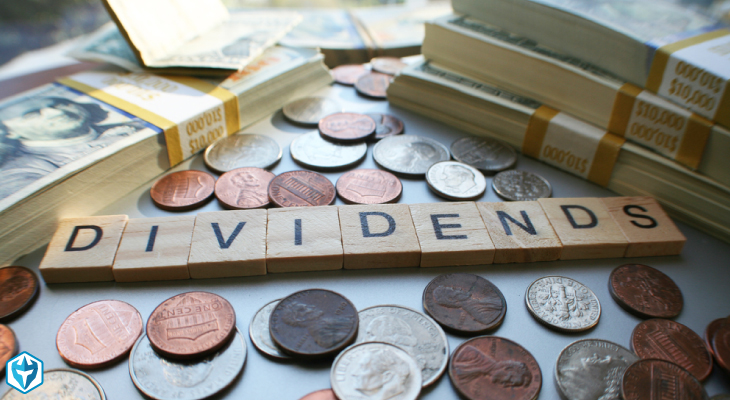
When most people think about building wealth through the stock market, they imagine rapid growth, high-tech innovation, and dramatic market wins. Yet, history tells a different story. Some of the most reliable paths to financial independence are paved not with flashy momentum trades, but with steady, dividend-paying stocks — the “boring” corner of the market that quietly compounds wealth year after year.
In an era of crypto hype, meme stocks, and short-term speculation, it’s easy to overlook dividends. But in 2025, as interest rates stabilize and markets adjust to slower growth, the case for dividend investing has never been stronger. Dividends offer not just income, but resilience, stability, and long-term compounding power that few other strategies can match.
The Core of Dividend Investing: Getting Paid to Hold
At its simplest, a dividend is a portion of a company’s profits paid to shareholders, usually quarterly. It’s a way of saying “thank you” for owning a piece of the business — and unlike speculative price gains, dividends provide real cash flow you can reinvest or use.
What makes them so powerful is that they reward patience. Companies that pay consistent dividends tend to be profitable, mature, and financially disciplined. They’re not chasing explosive growth; they’re focused on long-term shareholder value.
And that focus pays off. According to Ned Davis Research, from 1973 to 2023, dividend-paying stocks accounted for nearly 40% of the S&P 500’s total returns. Investors who reinvested dividends during that period saw their wealth grow more than 25 times faster than those relying solely on price appreciation.
It’s not the kind of investing that makes headlines — but it’s the kind that builds generational wealth.
Why Dividends Matter More in 2025
After years of easy money, low interest rates, and speculative trading, the global investment environment has shifted. Inflation, tighter monetary policy, and slower corporate growth have reminded investors of the value of steady cash returns.
The S&P 500 Dividend Aristocrats Index — which tracks companies that have raised dividends for at least 25 consecutive years — has outperformed the broader market during every major downturn of the past two decades. In 2022, when the overall market dropped around 18%, Dividend Aristocrats fell only 6%, showing their defensive strength.
Today, the average dividend yield for U.S. blue-chip stocks stands around 2.1%, but some high-quality sectors — like utilities, consumer staples, and healthcare — offer 3–5% yields with stable payout histories. In Europe, where dividend culture is even stronger, average yields hover closer to 3.5%, according to Refinitiv data.
In short, dividend stocks don’t just survive uncertain markets — they thrive in them.
The Magic of Compounding: Reinvesting Dividends
If there’s one secret behind the “hidden power” of dividends, it’s reinvestment. When you use your dividend payments to buy more shares of the same stock, you’re creating a snowball effect that accelerates over time.
For example, let’s say you invest €10,000 in a stock yielding 4% annually, with the dividend and price both growing 5% per year. After 20 years, that investment grows to nearly €34,000. Without reinvesting dividends, you’d end up with only €21,000.
That’s the magic of compounding — returns generating returns, quietly and consistently.
Many long-term investors, including legends like Warren Buffett, attribute much of their success to this principle. In fact, over 40% of Berkshire Hathaway’s returns since 1980 have come from dividends and reinvested earnings of stable companies like Coca-Cola and American Express.
Dividends may seem modest in the short run, but over decades, they can transform ordinary portfolios into financial powerhouses.
The Psychological Advantage: Stability Through Volatility
There’s also a psychological benefit to dividend investing that’s often overlooked. When markets fall, it’s easy to panic — but receiving regular income can help investors stay calm and committed.
Even in bear markets, dividend investors continue earning cash flow. This steady stream of income can act as an anchor during volatility, reducing the temptation to sell in fear. A study by Fidelity Investments found that dividend investors were 30% less likely to sell during market downturns compared to those holding non-dividend stocks.
In essence, dividends reward long-term thinking — and that mindset is one of the most valuable assets any investor can cultivate.
Not All Dividend Stocks Are Created Equal
Of course, not every dividend-paying company is worth owning. Some businesses offer unsustainably high yields to attract investors, masking weak financials or declining growth. A general rule: if a stock’s dividend yield exceeds 8–10%, it’s often a red flag rather than a golden opportunity.
The key is to look for dividend reliability, not just size. Healthy dividend stocks typically have:
- A payout ratio (the percentage of earnings paid as dividends) below 60%.
- A consistent track record of dividend increases.
- Strong free cash flow and manageable debt levels.
Sectors like consumer staples, utilities, healthcare, and insurance often meet these criteria. Companies such as PepsiCo, Johnson & Johnson, and Unilever are classic examples of steady dividend performers that have raised payouts for decades without sacrificing growth.
How to Build a Dividend-Focused Portfolio
For investors looking to incorporate dividends strategically, a few key approaches stand out:
- Start with Dividend ETFs or Index Funds. Funds like the Vanguard Dividend Appreciation ETF (VIG) or the SPDR S&P Global Dividend Aristocrats ETF offer instant diversification across dozens of quality dividend payers.
- Balance Yield and Growth. High-yield stocks can provide income now, while lower-yield “dividend growers” compound faster over time.
- Reinvest Automatically. Most brokerages offer automatic dividend reinvestment (DRIP) options, maximizing compounding with no effort required.
- Think Long-Term. Dividend investing works best over years — or better yet, decades.
The Quiet Strength of Boring Investments
In a financial world obsessed with trends, “boring” dividend stocks are the tortoises among hares — slow, steady, and quietly winning the race.
They don’t require constant monitoring or speculation. They don’t depend on perfect market timing. Instead, they reward patience, discipline, and time — the three ingredients that turn ordinary investors into wealthy ones.
As market cycles come and go, the simplicity and dependability of dividends remain. Because while prices fluctuate and fads fade, a company that pays you to wait is one worth keeping.
So next time you’re tempted by the next big growth story, remember: boring might just be beautiful — especially when it keeps paying you, quarter after quarter.

