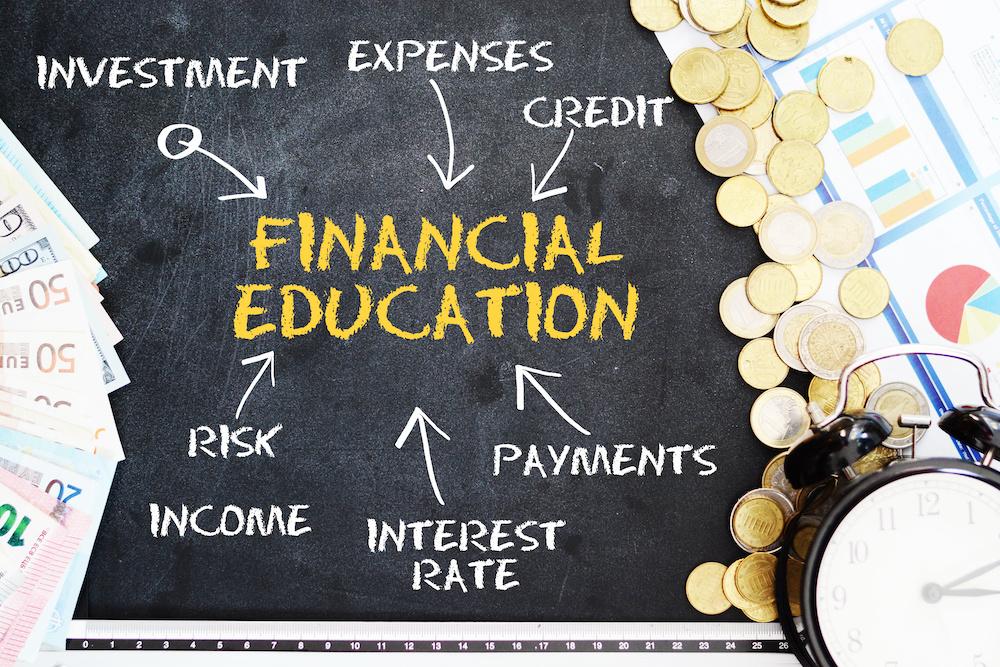
If there’s one investment that consistently delivers high returns — regardless of market cycles, inflation levels, or economic uncertainty — it’s financial education. The better you understand how money works, the more confident and effective you become at managing, saving, and investing it.
As we move into 2026, financial literacy is no longer optional. With technology evolving rapidly, new asset classes emerging, and markets becoming more accessible than ever, building strong money skills is one of the smartest resolutions you can make for the new year.
Luckily, financial education has never been so easy to access. From apps and online courses to podcasts and interactive platforms, there are tools tailored for every learning style and experience level.
Let’s break down the best financial education tools and resources to help you level up in 2026.
Why Financial Education Matters More Than Ever
Financial literacy gaps continue to have real consequences. A 2024 OECD study found that only 26% of adults in Europe could answer basic investment questions, and those who lacked financial knowledge were significantly more likely to:
- accumulate high-interest debt
- delay investing
- fall prey to scams
- panic during market volatility
- miss long-term wealth opportunities
On the other hand, individuals with medium-to-high financial literacy were 3x more likely to invest consistently and build long-term wealth.
The message for 2026 is clear: knowledge is a competitive advantage.
1. Best Apps and Tools to Build Money Skills Daily
Budgeting & Money Tracking Apps
These tools help you understand where your money goes — the first step toward saving and investing.
- YNAB (You Need A Budget) – excellent for proactive budgeting
- Revolut & N26 analytics – automated spending insights
- PocketGuard – simple, beginner-friendly money tracking
Users who track their spending regularly report saving on average 10–20% more per month.
Investment Simulation & Learning Apps
Great for beginners who want to practice without risk.
- Investopedia Simulator – real market experience with virtual money
- Trading212 Practice Mode – no-risk stock and ETF investing
- Finimize – daily financial insights, educational breakdowns
Simulations help new investors build confidence before investing real money.
2. Best Online Courses for Financial Education in 2026
General Personal Finance Courses
Perfect for beginners who want to build a solid foundation.
- DIY Investing Hub
- Coursera – Personal Finance Specialization (University of Florida)
- Khan Academy – Personal Finance (free)
- edX – Financial Literacy Essentials
These courses cover budgeting, saving, debt, and investing basics.
Investment-Focused Courses
For those who want to go beyond the basics.
- Morningstar’s Investment Classroom (industry-trusted)
- Udemy – Investing in Stocks for Beginners
- DIY Investing Hub Courses (local, practical, beginner-friendly)
Students in curated programs tend to build portfolios 30–50% faster than those learning alone.
3. Books Worth Reading in 2026 to Level Up Your Money Mindset
Books remain one of the cheapest yet most effective education tools.
Top recommendations include:
- “The Psychology of Money” – Morgan Housel
- “A Random Walk Down Wall Street” – Burton Malkiel
- “Common Sense Investing” – John C. Bogle
- “Rich Dad Poor Dad” – Robert Kiyosaki (mindset focus)
- “Your Money or Your Life” – Vicki Robin
Investors who read even one financial book per year show significantly better long-term decision-making and fewer emotional mistakes.
4. Podcasts and YouTube Channels for On-the-Go Learning
Top Podcasts
- The Dave Ramsey Show (debt & budgeting)
- Animal Spirits (markets explained simply)
- BiggerPockets Money (wealth building)
- Planet Money (economics made understandable)
YouTube Channels
- Graham Stephan (practical finance)
- The Plain Bagel (investing education)
- Ben Felix – Common Sense Investing (evidence-based investing)
Podcasts and videos help reinforce habits — even a weekly 20-minute episode can change how you think about money.
5. Tools for Learning About the Stock Market in 2026
Market Research Platforms
- Yahoo Finance – free and easy
- Morningstar – detailed fund analysis
- Seeking Alpha – reports and investor opinions
- Simply Wall St – visual breakdowns of company fundamentals
Using reliable research helps you avoid misinformation and hype.
ETF and Portfolio Tools
- JustETF – compare ETFs easily
- Portfolio Visualizer – backtest strategies
- ETF.com – in-depth fund fact sheets
These resources help beginners understand diversification and risk.
6. Local and Community-Based Financial Education (Highly Underrated)
Sometimes the most effective learning happens offline.
- local workshops
- financial literacy courses (like DIY Investing Hub’s programs in Trento)
- community meetups
- university investing clubs
- mentorship from experienced investors
Studies show that participants in in-person financial workshops retain 35% more information and are more likely to follow through on investing goals.
7. Start With One Resource — Not All of Them
With so many tools available, beginners often fall into “education overload.”
Remember: financial education is not a race, it’s a process.
A simple plan for 2026 might look like:
- one budgeting app
- one beginner investing course
- one financial book per quarter
- one podcast per week
- one portfolio review per month
With this alone, you will outperform most people who learn passively or inconsistently.
Financial Education Is the Best Investment You’ll Make in 2026
Markets fluctuate. Economies evolve. New technologies disrupt old habits.
But your financial knowledge stays with you — and grows stronger every year.
By choosing the right tools, courses, and resources in 2026, you’re not just learning how to invest.
You’re learning how to make smarter decisions, avoid costly mistakes, and build a long-term relationship with money that supports the life you want.
Invest in yourself first — your portfolio will follow.

